The psychological impact of gambling Understanding the mind's illusions
- March 17, 2026
- Public
- Posted by admin
- Comments Off on The psychological impact of gambling Understanding the mind's illusions
The psychological impact of gambling Understanding the mind's illusions
The Allure of Gambling
The psychological appeal of gambling often stems from its thrilling nature. Many individuals are drawn to the excitement and anticipation associated with wagering money on uncertain outcomes. This excitement triggers the brain’s reward system, releasing dopamine, a neurotransmitter linked to pleasure and reward. Such instant gratification can create a compelling experience that keeps players returning for more, as the rush can be akin to other addictive behaviors. For those interested in exploring this topic further, more info can enhance understanding.

Moreover, the social aspects of gambling contribute significantly to its allure. Many people engage in gambling as a recreational activity with friends or family, enhancing feelings of camaraderie. This social dimension can obscure the potential risks involved, making it easier for individuals to overlook the signs of unhealthy gambling behaviors.
The Role of Cognitive Biases
Cognitive biases play a crucial role in the psychology of gambling. One common bias is the illusion of control, where gamblers believe they can influence the outcome of a game through their choices or strategies. This belief can lead individuals to underestimate the role of chance in gambling, further enticing them to play, even when the odds are against them.
Another prevalent cognitive distortion is the gambler’s fallacy, the mistaken belief that past outcomes influence future results. For instance, a player might think that a slot machine is “due” for a win after a series of losses. This flawed reasoning can perpetuate gambling behaviors and lead to significant financial losses, as players chase perceived patterns instead of recognizing random outcomes.
The Emotional Rollercoaster of Gambling
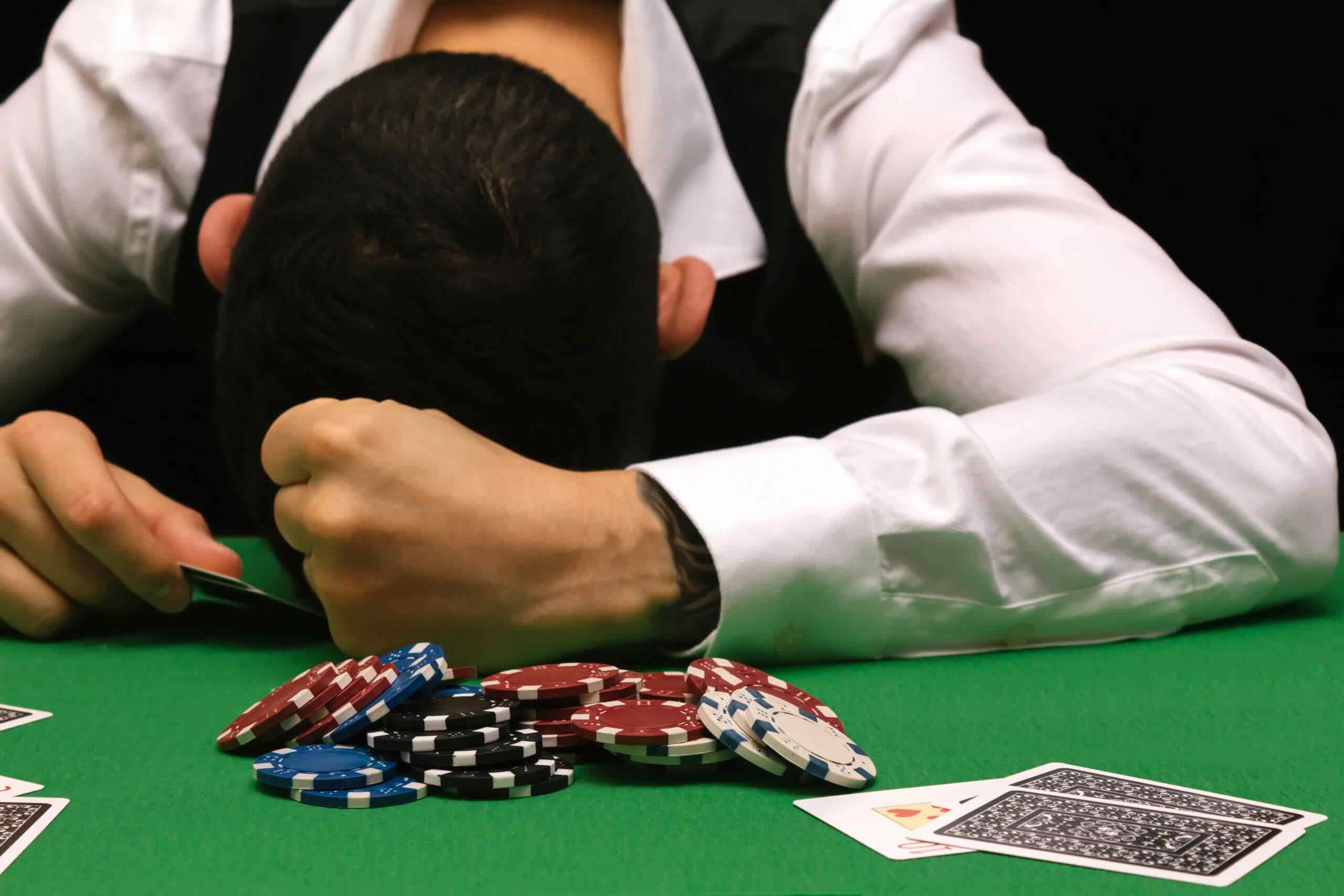
The emotional highs and lows associated with gambling can have profound psychological effects. Winning can elicit feelings of euphoria and success, reinforcing the behavior. However, losses can lead to guilt, anxiety, and despair, creating a complex emotional cycle. Gamblers may chase their losses, believing that a win will restore their lost funds, a mindset that can escalate into addiction.
These emotional fluctuations can also impact personal relationships and mental health. Individuals struggling with gambling addiction may withdraw from social circles, experience heightened stress, and even develop depression or anxiety disorders. Understanding this emotional rollercoaster is essential for recognizing the signs of gambling addiction and seeking help when necessary.
The Impact of Advertising and Media
The portrayal of gambling in media and advertising significantly shapes public perception and behavior. Romanticized depictions of gambling, such as high-stakes poker games or glamorous casino lifestyles, can glamorize the activity and obscure its risks. These representations often fail to highlight the potential consequences of gambling addiction, leading individuals to underestimate the dangers involved.
Furthermore, targeted advertising strategies, particularly those aimed at younger audiences, can foster a casual attitude toward gambling. The normalization of betting as a form of entertainment can encourage individuals to take unnecessary risks, making it crucial to promote responsible gambling practices and awareness of the psychological impacts associated with gambling.
Empowering Players through Awareness
Awareness and education are vital components in addressing the psychological impacts of gambling. Resources that focus on responsible gambling can empower individuals to make informed choices. Websites dedicated to providing insights into safe gambling practices can equip players with the tools to recognize signs of addiction and access help when needed.
By fostering a culture of awareness and understanding, we can create an environment that encourages responsible gaming. Sharing knowledge about the psychological aspects of gambling can help individuals navigate their experiences more safely and encourage a healthier relationship with gambling activities.
