Alcohol Intolerance: Causes, Symptoms, and Treatments
- May 20, 2022
- Sober living
- Posted by admin
- Comments Off on Alcohol Intolerance: Causes, Symptoms, and Treatments
It is important to understand what alcohol intolerance is and how it differs from other reactions to alcohol. It is important to listen to your body’s signals and avoid alcohol if you have alcohol intolerance. Alcohol intolerance, also known as alcohol sensitivity, occurs when an individual experiences unpleasant symptoms after consuming even small amounts of alcohol. These symptoms may include facial redness, nausea, headache, rapid heartbeat, and even difficulty breathing. While some individuals may develop alcohol intolerance due to various factors, it is important to note that it is different Alcoholics Anonymous from an allergy to alcohol.
Medical Professionals
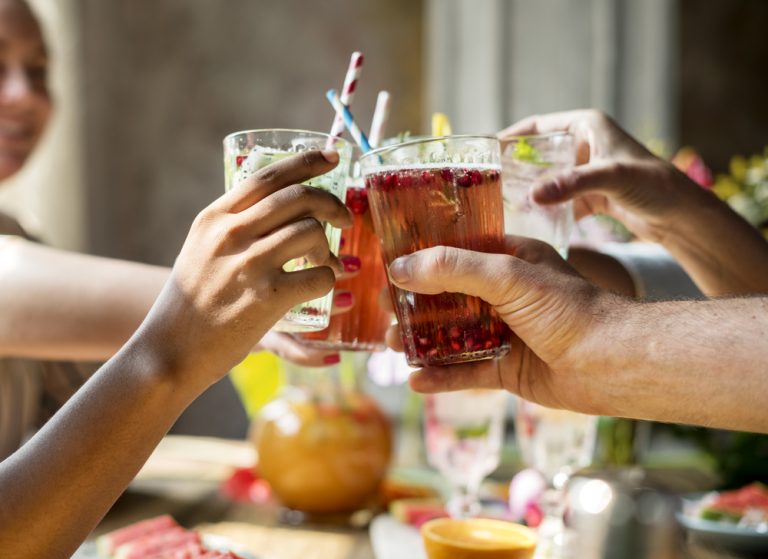
Ignoring severe symptoms can lead to long-term health risks, so prioritize professional evaluation. If you have alcohol intolerance, it’s essential to explore alternative beverages that can still offer enjoyment and refreshment without triggering adverse reactions. These non-alcoholic drinks mimic the complexity and flavor profiles of traditional cocktails, using a combination of juices, syrups, herbs, and spices. For instance, a virgin mojito made with fresh mint, lime juice, and sparkling water can be just as invigorating as its alcoholic counterpart. Mocktails are widely available in restaurants and bars, or you can easily create them at home with simple ingredients.
- It is similar to any other allergy and intolerance that develops later in life.
- COVID-19 is a new disease, and much research is still being done on its long-term effects.
- Being open about your condition reduces pressure to drink and ensures you’re not accidentally exposed to alcohol in mixed dishes or sauces.
- If you suspect or have been diagnosed with alcohol intolerance, the first and most crucial step is to avoid alcohol entirely.
- This can increase the likelihood of an intolerance forming, which is known as leaky gut.
#5: Enzyme Deficiencies

Avoiding alcohol also helps you to avoid the unpleasant symptoms that what is alcohol intolerance alcohol intolerance can create. This genetic deficiency results in decreased levels of aldehyde dehydrogenase, the enzyme that breaks acetaldehyde into non-toxic chemicals. Those with normal aldehyde dehydrogenase levels break acetaldehyde down almost instantaneously, while those with ALDH2 deficiency metabolize it quite slowly.
- An alcohol allergy involves an immune system overreaction to alcohol, which can cause widespread and sometimes life threatening symptoms.
- Research suggests that up to 10 percent of asthmatics are sensitive to sulphites, with the severity of reactions varying from mild to life-threatening.
- Although there is no cure, avoiding alcohol can prevent the symptoms of alcohol intolerance.
- They can help determine the underlying cause of your symptoms and develop an appropriate management plan.
Genetic Causes
For some people, however, drinking unexpectedly causes discomfort and adverse reactions, making them wonder about the effect alcohol is https://moobi.com.vc/2023/07/17/how-to-overcome-shame-and-guilt-in-recovery/ having on them. One of the main causes of alcohol intolerance is an inactive or less-active form of the enzyme ALDH2. This enzyme plays a crucial role in breaking down the toxic chemical acetaldehyde that is produced when alcohol is consumed. When ALDH2 is not working effectively, acetaldehyde builds up in the body, leading to symptoms of alcohol intolerance.
